A home does not need to be filled with furniture, decorations, and endless possessions to feel complete. In fact, many people are discovering that a simpler environment can create more comfort, clarity, and peace.
Minimalist home styling is not about living with nothing. It is about choosing intentionally, keeping only what adds value, and creating a space that feels functional, welcoming, and personal.
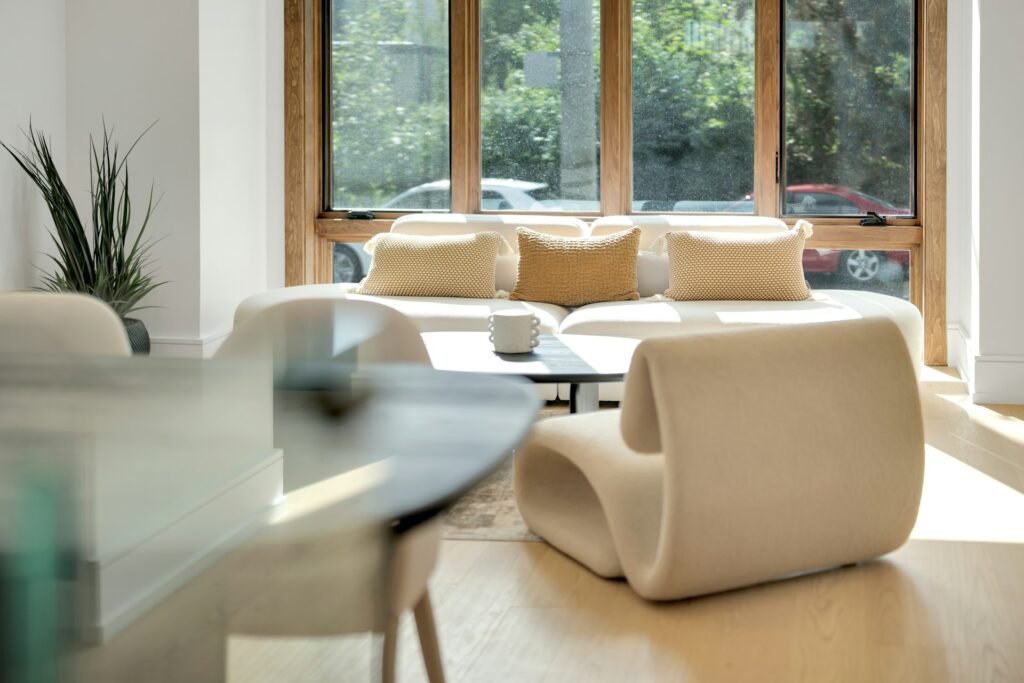
Minimalism is not about creating a cold or empty home. When designed thoughtfully, a minimalist space can feel warm, elegant, and luxurious while remaining practical for everyday life.
According to the principles of environmental psychology, our surroundings can influence our emotions, concentration, and sense of wellbeing. A more organized and intentional home environment can help reduce visual distractions and create a greater feeling of calm.
The goal of minimalist design is simple: create a home where every element has a purpose.
Minimalist Home Styling Starts With Decluttering
The foundation of a minimalist home is not buying new furniture or decorations. It begins with removing what no longer serves you.
Decluttering does not need to happen all at once. Starting with small areas makes the process easier and more sustainable.
Try beginning with:
- A single drawer
- A bookshelf
- A kitchen cabinet
- A bathroom counter
- A small corner of a room
When deciding what to keep, ask yourself:
- Does this item have a practical purpose?
- Does it bring beauty or meaning to my space?
- Would I choose to buy this item again today?
Removing unnecessary objects creates breathing room and allows the important pieces in your home to stand out.
A simplified environment can also reduce the mental effort required to manage your space, making daily routines feel easier.
Choose a Neutral Color Palette
Minimalist interiors often use neutral colors because they create a sense of harmony and timelessness.
Popular minimalist shades include:
- White
- Beige
- Soft gray
- Cream
- Natural wood tones
- Warm earth colors
Neutral colors create a calm foundation, but minimalist design does not have to feel plain.
The secret is adding warmth through texture.
Consider incorporating:
- Linen curtains
- Wool blankets
- Woven baskets
- Natural wood furniture
- Soft rugs
- Ceramic accessories
Textures add personality while maintaining the clean visual balance that defines minimalist spaces.
Select Furniture With Purpose
One of the most important principles of minimalist home styling is choosing fewer but better pieces.
Instead of filling rooms with furniture, focus on items that provide both function and beauty.
Look for:
- Clean lines
- Durable materials
- Comfortable designs
- Practical storage solutions
- Timeless styles
A well-designed sofa, a quality dining table, or a beautiful wooden cabinet can have more impact than many smaller decorative items.
Each piece should contribute to the overall flow of the room.
Minimalism is not about sacrificing comfort. It is about making thoughtful choices.
Create Balance Through Negative Space
One of the most powerful elements of minimalist design is something that is not physically there: empty space.
Negative space refers to the areas around furniture, objects, and decorations that allow the eye to rest.
This space helps:
- Highlight important design elements
- Make rooms feel larger
- Improve visual balance
- Create a calmer atmosphere
A room does not need to be filled to feel complete.
Sometimes the empty areas are what make the most meaningful pieces stand out.
Add Personality Without Creating Clutter
A common misconception is that minimalist homes lack character.
The truth is that minimalism allows meaningful items to receive more attention.
Instead of displaying many decorations, choose a few items that tell your story:
- A favorite artwork
- Family photographs
- Handmade ceramics
- Travel souvenirs
- Books you love
- Plants
The goal is intentional decoration, not excessive decoration.
Every object should have a reason for being in your home.
Bring Nature Into Your Space
Natural elements are often used in minimalist interiors because they add warmth and connection to the outdoors.
Simple additions include:
- Indoor plants
- Fresh flowers
- Wooden details
- Natural fabrics
- Stone or clay accessories
Plants can soften clean architectural lines and create a more welcoming atmosphere.
A minimalist home should feel alive, not empty.
Create Functional Storage Solutions
A clutter-free home requires practical storage.
Good minimalist storage focuses on keeping everyday items organized and accessible.
Helpful strategies include:
- Using baskets and containers
- Choosing furniture with hidden storage
- Keeping surfaces clear
- Organizing items by category
- Creating designated places for belongings
When everything has a place, maintaining a calm environment becomes much easier.
Common Minimalist Home Styling Mistakes
Even with good intentions, some approaches can make minimalist design feel uncomfortable.
Common mistakes include:
Removing Too Much
Minimalism is not about creating an empty home. Comfort and personality are still essential.
Choosing Style Over Function
Beautiful furniture should also support your lifestyle.
Using Only Cold Colors
Adding natural textures and warm materials prevents a minimalist space from feeling sterile.
Buying More Things to Achieve Minimalism
Minimalism is about reducing unnecessary consumption, not replacing clutter with expensive alternatives.
How Minimalist Home Styling Improves Everyday Life
A thoughtfully designed home can influence how you feel and function every day.
Benefits of minimalist home styling may include:
- Less visual distraction
- Easier cleaning and maintenance
- Greater appreciation for meaningful items
- More peaceful daily routines
- A stronger sense of organization
Your home should support your lifestyle, not create additional stress.
Frequently Asked Questions
What is minimalist home styling?
Minimalist home styling is an approach to interior design that focuses on simplicity, functionality, intentional choices, and creating spaces that feel calm and organized.
Does minimalist design mean having an empty home?
No. Minimalism is not about owning nothing. It is about keeping items that serve a purpose, create comfort, or bring meaning.
How do I start creating a minimalist home?
Begin with one small area, remove unnecessary items, organize what remains, and gradually make more intentional choices about furniture and decoration.
Can a minimalist home still feel cozy?
Yes. Warm textures, natural materials, plants, soft lighting, and meaningful objects can make minimalist spaces feel comfortable and inviting.
Related Articles
- Effortless Everyday Style: How to Look Put-Together Without Trying Too Hard
- Everyday Beauty Tips for a Polished Look
- Simple Self-Care Practices to Recharge Your Day
- Finding Balance in a Busy World
Final Thoughts
Minimalist home styling is not about creating a perfect space or following strict rules. It is about designing a home that reflects your values, supports your routines, and allows you to focus on what truly matters.
By removing unnecessary clutter, choosing quality pieces, and creating intentional spaces, you can transform your home into a place of comfort, clarity, and calm.
Less is not about having less. It is about making room for more of what matters.