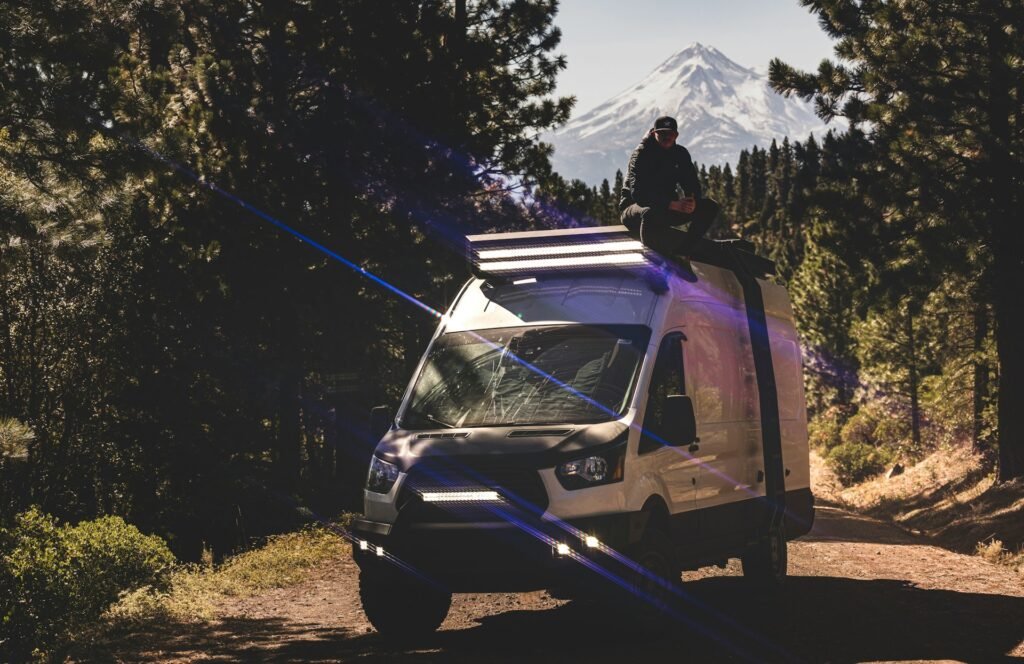
Traveling alone can feel challenging at first, but it can also become one of the most meaningful experiences in life. Without the routines and expectations of everyday life, solo travel creates opportunities for independence, reflection, and personal growth.
Solo travel tips can help beginners feel more confident, prepared, and excited about exploring the world independently. Traveling alone is not only about visiting new destinations — it is about discovering your own preferences, strengths, and ability to navigate unfamiliar situations.
According to UN Tourism, travel continues to be an important way for people to experience different cultures, environments, and perspectives around the world.
A successful solo journey does not require complete fearlessness. It requires curiosity, preparation, and a willingness to embrace new experiences.
Solo Travel Tips Start With the Right Mindset
The first step toward a successful solo adventure is developing an open and flexible mindset.
Traveling alone gives you complete freedom to make decisions based on your own interests.
You can:
- Choose your own schedule
- Explore places at your preferred pace
- Spend more time on experiences you enjoy
- Change plans without compromise
- Discover destinations in a more personal way
This independence is one of the biggest benefits of solo travel.
Instead of adjusting your plans around other people’s preferences, you can create a journey that reflects your own curiosity and priorities.
Plan Enough, But Leave Room for Spontaneity
One of the best solo travel tips is finding the balance between preparation and flexibility.
Planning ahead can reduce unnecessary stress, especially when visiting unfamiliar destinations.
Before traveling, research:
- Local transportation options
- Accommodation locations
- Cultural expectations
- Weather conditions
- Emergency contacts
- Important travel requirements
However, avoid creating a schedule so strict that there is no room for discovery.
Some of the most memorable travel moments happen unexpectedly — a conversation with a local resident, a hidden café, or an unplanned walk through a new neighborhood.
Embrace Moments of Reflection
Solo travel creates something many people rarely experience: uninterrupted time with themselves.
Without constant conversation or external distractions, travelers often become more aware of their surroundings and thoughts.
Reflection moments may happen during:
- Quiet mornings in a café
- Walks through parks
- Museum visits
- Beach sunsets
- Journaling sessions
- Scenic train rides
These experiences can encourage self-awareness and create memories that feel deeply personal.
A solo journey often becomes as much an inner experience as an external adventure.
Stay Safe While Traveling Alone
Safety is one of the most important aspects of solo travel.
Traveling independently does not mean traveling without preparation.
Practical safety habits include:
- Researching your destination before arrival
- Keeping important documents secure
- Sharing your itinerary with someone you trust
- Avoiding unnecessary risks
- Staying aware of your surroundings
- Keeping emergency contacts accessible
The U.S. Department of State Travel Advisories provides destination information that can help travelers make informed decisions before international trips.
Preparation creates confidence and allows you to enjoy your experience more fully.
Choose Destinations That Match Your Experience Level
Not every destination offers the same level of comfort for first-time solo travelers.
When planning your first solo trip, consider destinations with:
- Reliable transportation
- Easy communication options
- Good tourist infrastructure
- Safe and accessible neighborhoods
- Activities that match your interests
Starting with a destination that feels manageable can build confidence before attempting more complex adventures.
The goal is not to prove independence. The goal is creating an enjoyable experience.
Learn to Enjoy Your Own Company
One of the greatest lessons of solo travel is becoming comfortable spending time alone.
Many people avoid solitude because they associate it with loneliness. However, intentional solitude can be refreshing and empowering.
Solo travelers often discover new interests through:
- Reading in peaceful places
- Trying local food
- Taking photographs
- Exploring cultural attractions
- Learning new skills
Being alone gives you the freedom to experience moments without needing external approval.
Connect With People Along the Way
Traveling alone does not mean being isolated.
In many cases, solo travelers are more open to meeting new people.
Opportunities for connection include:
- Joining local tours
- Staying in social accommodations
- Attending cultural events
- Talking with local residents
- Participating in group activities
These interactions can create meaningful memories and offer perspectives you may never encounter otherwise.
Pack Smart for Solo Travel
Packing efficiently makes solo travel easier.
A lighter bag provides more flexibility and less stress.
Useful packing habits include:
- Choosing versatile clothing
- Bringing comfortable shoes
- Carrying essential documents securely
- Packing basic medications
- Using travel organizers
When you carry less, you spend less time managing belongings and more time enjoying experiences.
Common Solo Travel Mistakes to Avoid
Even experienced travelers can make mistakes. Being aware of common problems helps create a smoother journey.
Creating an Overloaded Schedule
Trying to see everything can lead to exhaustion.
Ignoring Local Customs
Respecting local culture creates better experiences and stronger connections.
Avoiding All Social Interaction
Solo travel is an opportunity to connect, not only to be alone.
Failing to Prepare for Emergencies
Basic planning can prevent small problems from becoming major challenges.
How Solo Travel Builds Confidence
Many travelers return from solo adventures with a stronger sense of independence.
Solo travel can help develop:
- Problem-solving skills
- Decision-making confidence
- Adaptability
- Self-awareness
- Emotional resilience
Every challenge overcome on the road becomes evidence of your own capability.
The confidence gained from traveling alone often extends into everyday life.
Frequently Asked Questions
Is solo travel safe?
Solo travel can be safe when combined with preparation, awareness, and responsible decision-making. Researching destinations, staying connected, and following local guidance are important steps.
What is the best destination for a first solo trip?
The best first destination depends on your comfort level, interests, and travel experience. Many beginners choose places with reliable transportation, welcoming tourism infrastructure, and easy navigation.
How do I avoid feeling lonely while traveling alone?
Stay open to meeting people, join activities, participate in tours, and create opportunities for social interaction while still enjoying personal time.
What are the biggest benefits of solo travel?
Solo travel can increase confidence, encourage self-discovery, improve independence, and create meaningful personal experiences.
Related Articles
- How to Plan Stress-Free Travel Adventures
- Finding Balance in a Busy World
- Simple Self-Care Practices to Recharge Your Day
- Minimalist Home Styling: Less Is More
Final Thoughts
Solo travel tips are not only about planning destinations and packing bags. They are about developing the confidence to explore the world while learning more about yourself.
Traveling alone creates opportunities for freedom, reflection, and personal growth. The places you visit may inspire you, but the greatest discovery is often the person you become along the way.
A solo journey is not simply a trip. It is an experience that can change how you see the world — and yourself.